
Hands-On STEAM Learning: University of Kentucky Students Visit BRPH
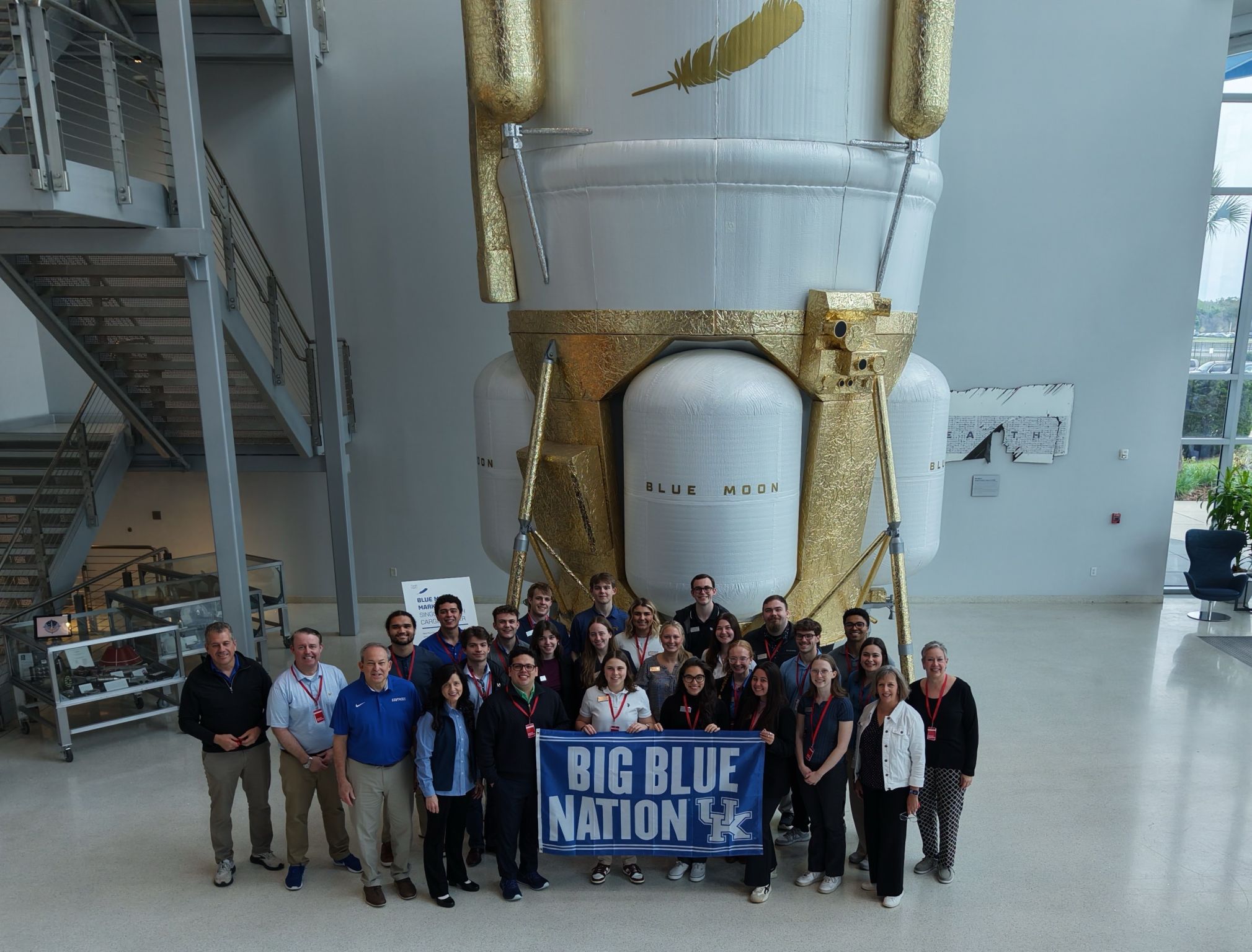
The countdown didn’t start on a launch pad — it started on a bus.
But by the time the University of Kentucky Pigman College of Engineering Dean’s Leadership Class arrived on Florida’s Space Coast, it was clear they had stepped into something much bigger than a typical academic trip.
For four immersive days, the students of EGR 490 moved from classrooms to control rooms, from theory to thunder, experiencing firsthand the people, infrastructure and innovation powering the future of spaceflight.
And yes, there was a rocket.
“The highlight of the week was watching a Starlink launch,” said Madison Hepp. “It was the perfect moment that connected everything we had learned about launch systems, infrastructure and mission execution.”
The trip, anchored by visits to Kennedy Space Center, Blue Origin and BRPH, offered more than just behind-the-scenes access. It provided a front-row seat to the scale and stakes, of modern aerospace.
“I am still processing the sheer scale of what I witnessed,” said Cassidy Eddy. “As someone who aspires to a career in the aerospace industry, this trip was truly a dream come true.”
From towering launch infrastructure to next-generation vehicle concepts like New Glenn and Blue Moon, students saw up close how complex systems come together. But what left the deepest impression wasn’t just the hardware, it was the human element behind it.
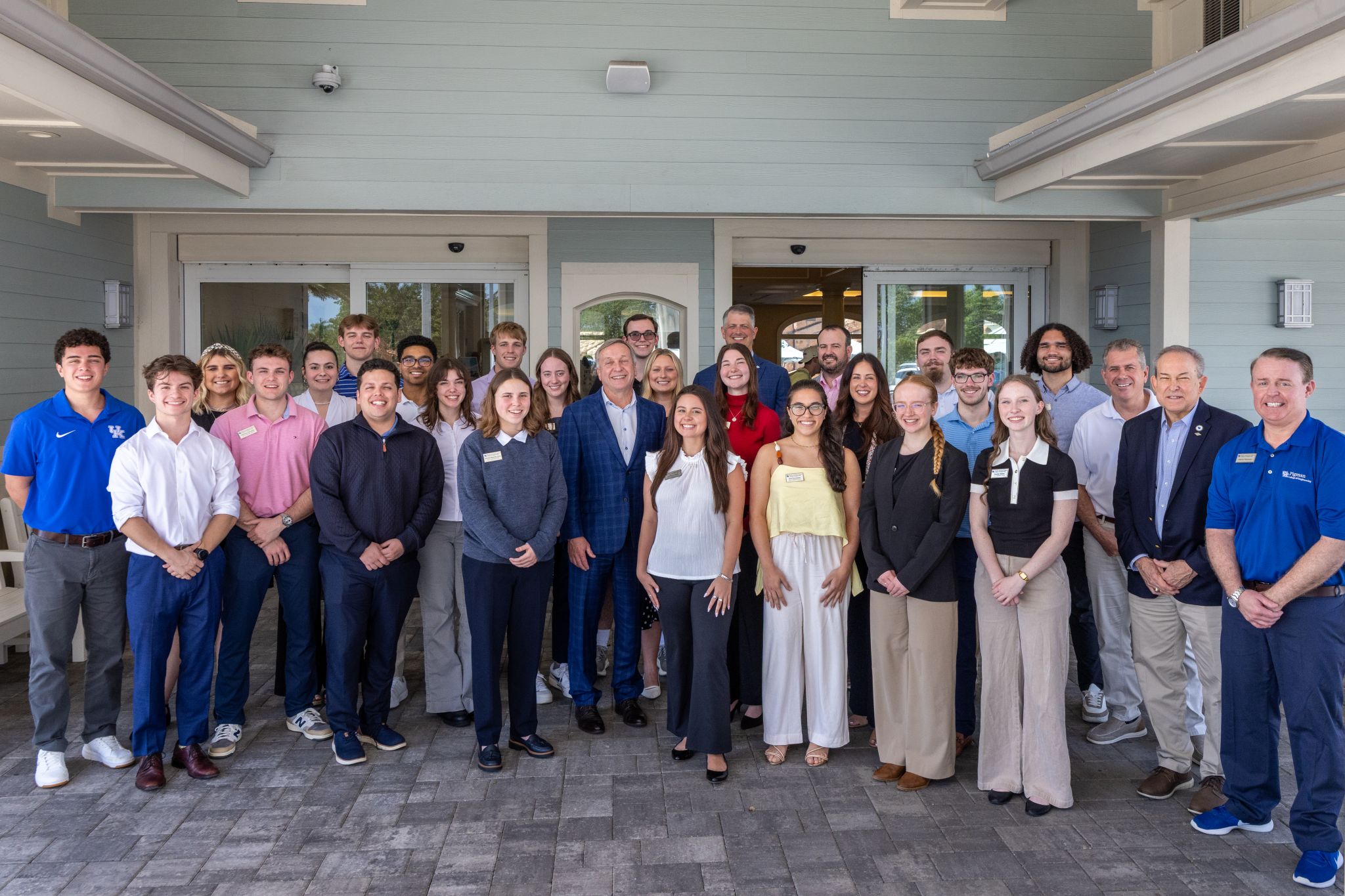
At BRPH, students explored the critical role of design and construction in enabling mission success, gaining insight into how facilities themselves become part of the launch equation.
“At BRPH, we’re helping build the backbone of the space industry,” said Matt Tyler, BRPH’s president of construction services. “These facilities are where ideas become reality — and where teams come together to do extraordinary things. It’s exciting to see the next generation of engineers step into that story.”
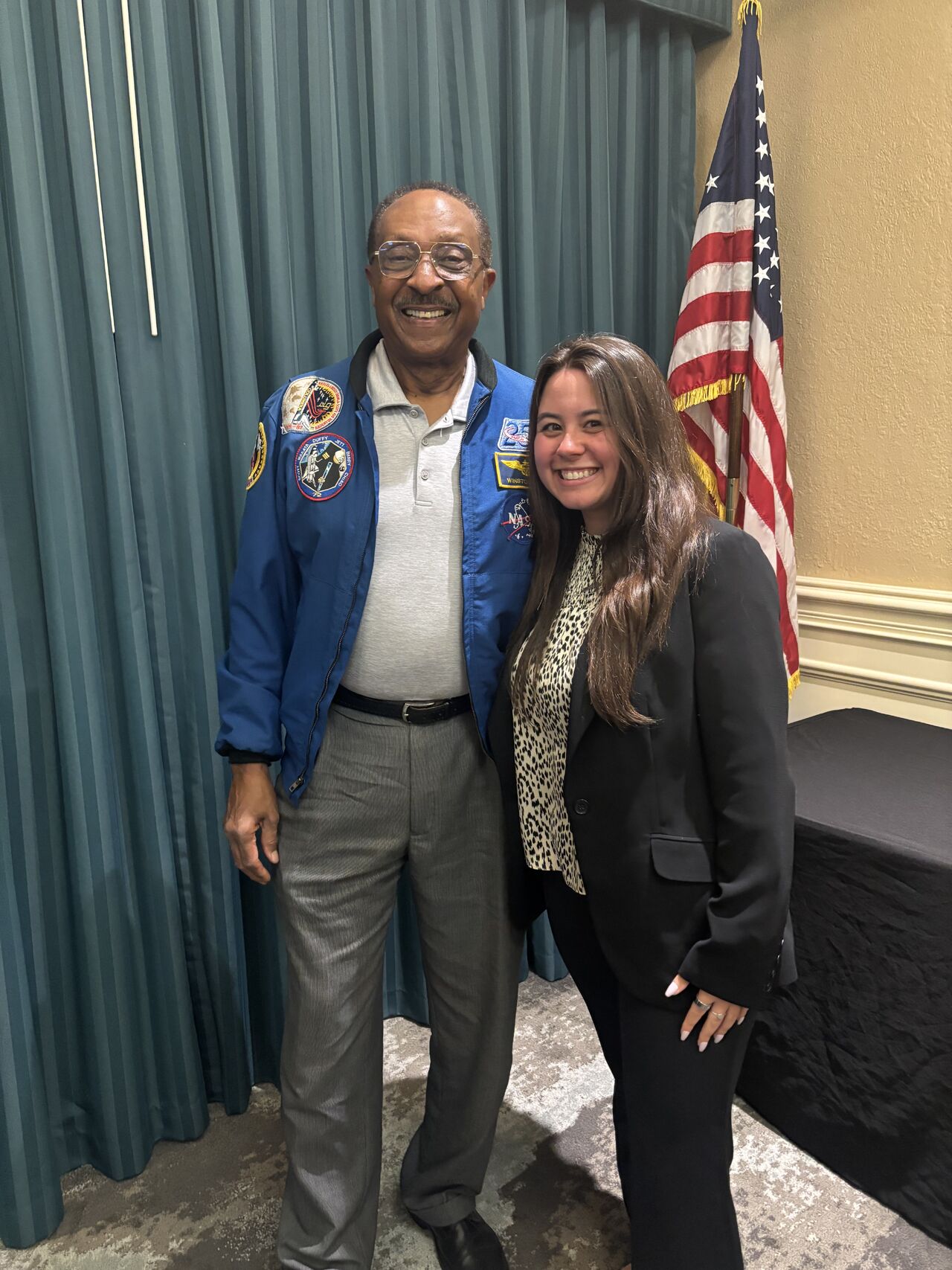
That message echoed throughout the week as students engaged with leaders across NASA, the U.S. Space Force and private industry, including a memorable conversation with former astronaut Capt. Winston Scott.
“Speaking with someone who has actually walked in space was a profound reminder of why we do this work,” Cassidy said. “It reinforced that the future of aerospace isn’t just about technical excellence, but about resilience, leadership and collaboration to solve the ‘impossible.’”
For Ivy Edwards, the experience offered a new perspective on what it means to grow as an engineer.
“One of the most impactful takeaways was seeing how technical expertise can evolve into meaningful leadership,” Ivy said. “It challenged me to think more intentionally about my own development and the kind of leader I want to become.”
And for Ana Carolina de Souza Goncalves, the trip felt like something even more personal: the realization of a lifelong dream.
“The 5-year-old Ana who used to dream about the stars just toured NASA’s Kennedy Space Center, visited Blue Origin and BRPH, and watched a real rocket launch,” she said. “I still can’t fully put it into words.”
Her reflections captured both the wonder and the lessons of the week.
“Quick wins matter. A great leader takes care of their team first; trust is earned, not given. Stay curious,” Ana said. “But above all, this trip reminded me what a real team looks like. Extraordinary things happen when the right people come together with a shared mission.”
The lessons weren’t confined to any single stop. They built on each other, conversation by conversation, forming a clearer picture of what it takes to succeed in a field defined by complexity.
“People first, mission always — the mission doesn’t happen without the team,” Madison said. “Trust and collaboration enable complex systems to succeed, and execution matters. Ideas only become impact when you act.”
For Dean Rudolph G. Buchheit, that kind of clarity is exactly the point.
“Experiences like this are transformational for our students,” Dean Rudy said. “They see not only the technology, but the leadership, teamwork and vision required to make it all work. That understanding is what prepares them to shape the future of engineering.”
By the end of the trip, the students returned to Lexington with more than notes and photos. They carried new questions, new motivation and a sharper sense of purpose.
“The younger engineer in me was absolutely thrilled,” Madison said. “And as I head into the final stretch of my degree, I’m more motivated than ever to be part of this future.”
Back on campus, the countdown resumes — not to a launch, but to what comes next.
And for these future engineers, that trajectory is looking toward space.
Learn more about our partners and the Kennedy Space Center: